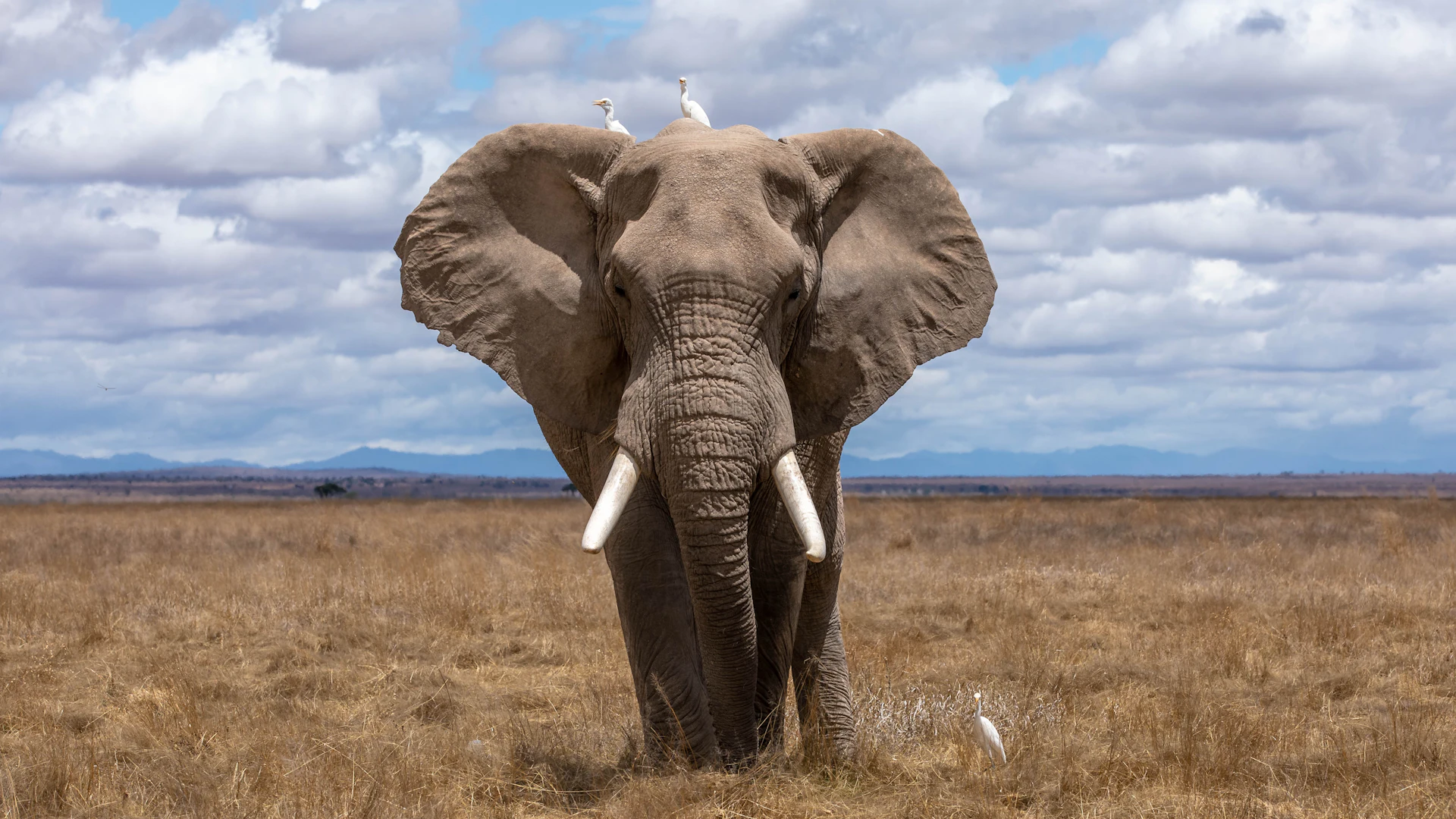
On the edge of the national park sits the Elephant Transit Home, a rehabilitation centre for orphaned and injured elephant calves. Unlike places that keep elephants for tourism, the goal here is to release them back into the wild.
Feeding time
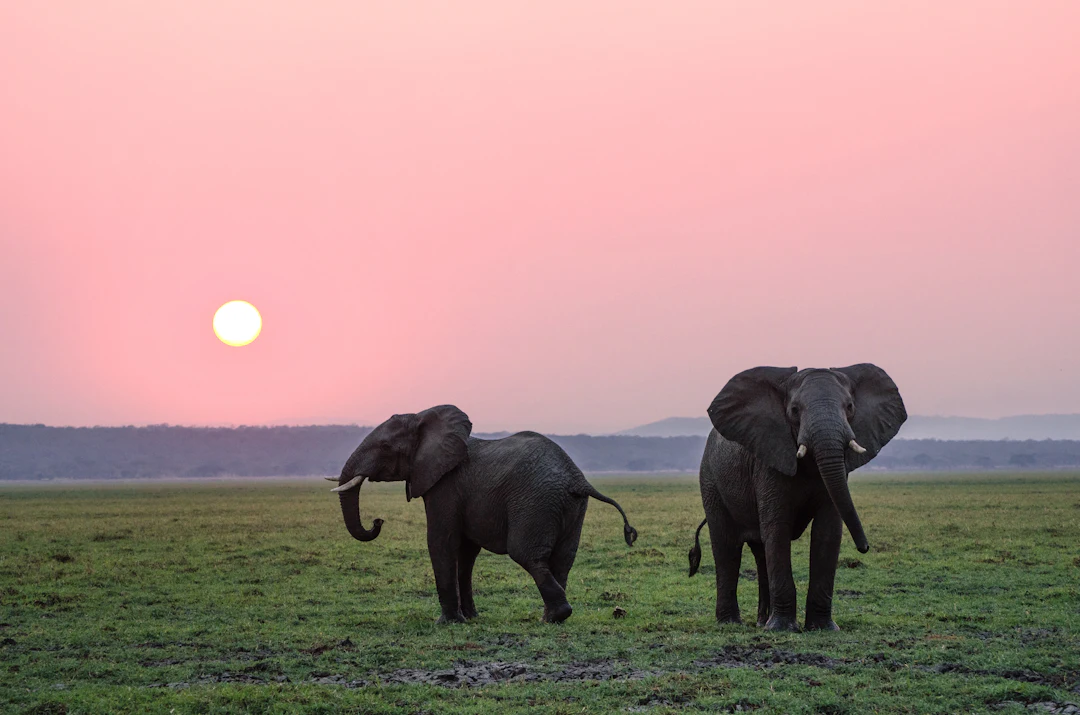
Visitors watch from a viewing platform as the calves come in for their milk feeds several times a day. Check the current schedule locally, as times can change. It is chaotic and joyful: calves jostling, trunks waving, keepers moving quickly with large bottles.
Why it matters
Calves lose their mothers to accidents, human-elephant conflict and natural causes. Raising them with minimal human contact gives them the best chance of surviving once they return to the park.
“Every calf that walks back into the forest is a small victory. That is the whole point of this place.”
— Keeper at the Transit Home
Visiting responsibly
- Arrive a little early to get a spot at the rail
- Do not use flash photography
- Follow the staff’s instructions at all times
Your entrance fee helps support the work, so it is a visit that gives something back.